Buy kollaboratives-komponieren.eu ?
We are moving the project
kollaboratives-komponieren.eu .
Are you interested in purchasing the domain
kollaboratives-komponieren.eu ?
domain@kv-gmbh.de · 0541-91531010
Buy kollaboratives-komponieren.eu ?
When are receptors formed?
Receptors are formed during early development in the womb. They are essential proteins that are embedded in cell membranes and play a crucial role in transmitting signals from the external environment to the inside of the cell. The formation of receptors is a complex process that involves specific genetic instructions and protein synthesis. Once formed, receptors continue to be expressed and regulated throughout an individual's life to ensure proper cellular communication and function. **
Are receptors sensory cells?
Receptors are not sensory cells themselves, but they are specialized proteins located on the surface of sensory cells. These receptors are responsible for detecting and responding to specific stimuli, such as light, sound, taste, or smell. When a receptor is activated by a stimulus, it triggers a series of biochemical reactions within the sensory cell, ultimately leading to the generation of a sensory signal that can be transmitted to the brain for processing. Therefore, while receptors are not sensory cells, they play a crucial role in the sensory process by detecting and transducing stimuli into neural signals. **


Similar search terms for Receptors
Top-Angebote
Products related to Receptors:
-
Uplift Essentials Colorful Ball Creative Digital Birthday Cake CandlesAdd a playful pop of color and celebratory joy to any birthday cake with these colorful ball creative digital birthday candles. Featuring a bold, threedimensional number design crowned with a cluster of vibrant, multicolored mini spheres, these...32,97 $*Shipping: 0,00 $Secure redirect to the provider
-
tauruswellness Taurus Wellness Body Composition Scale Pro The Taurus Wellness Body Composition Scale Pro is perfect for anyone wanting a clear, detailed look at their health. It uses advanced bioimpedance technology to measure everything from body fat to muscle mass, showing results right on the scale and in the free Fitdays app. With eight precise...89,99 £*Shipping: 0,00 £Secure redirect to the provider
-
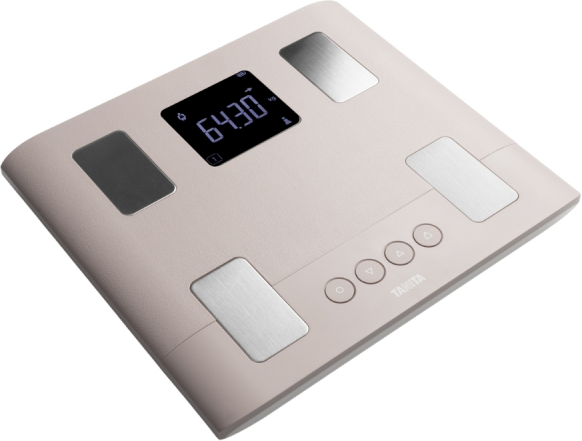
Tanita BC-333LE Smart Body Composition ScaleBODY COMPOSITION FOR THE WHOLE FAMILY The TANITA BC-33LE brings TANITA’s world-renowned reputation for body composition to the family home. Designed to be used by all members of the family, young and old, the BC-333LE provides users with composition results such as muscle mass and body fat...129,00 £*Shipping: 0,00 £Secure redirect to the provider



-
What are hormone receptors?
Hormone receptors are proteins located on the surface or within the cells of target tissues that are capable of binding to specific hormones. When a hormone binds to its receptor, it triggers a series of cellular responses that ultimately lead to changes in gene expression, cell function, or metabolism. Hormone receptors are crucial for the regulation of various physiological processes in the body, including growth, metabolism, and reproduction. Different types of hormones, such as steroid hormones, thyroid hormones, and peptide hormones, have specific receptors that they bind to in order to exert their effects on target cells. **
-
Do organs have pain receptors?
No, organs themselves do not have pain receptors. Pain receptors, also known as nociceptors, are specialized nerve cells that detect tissue damage and send signals to the brain to indicate pain. While organs do not have pain receptors, the tissues surrounding organs, such as the lining of the abdomen or chest, can contain nociceptors and can transmit pain signals if they are damaged or inflamed. **
-
Why are there 1 million receptors per cm2 if there are 100,000 receptors per cm2?
There may be 1 million receptors per cm2 if there are 100,000 receptors per cm2 because the receptors may be densely packed together, allowing for more receptors to fit within the same area. Additionally, having a higher density of receptors may increase the sensitivity and efficiency of the sensory system in detecting and responding to stimuli. This high density of receptors may be particularly important in areas of the body that require a high level of sensitivity, such as the fingertips or the tongue. **
-
Which medications block the nicotine receptors?
Medications such as varenicline (Chantix) and bupropion (Zyban) are known to block nicotine receptors in the brain. By blocking these receptors, these medications reduce the pleasurable effects of nicotine, making it easier for individuals to quit smoking. These medications are often used as part of a comprehensive smoking cessation program to help individuals overcome their addiction to nicotine. **


Do Zolpidem and/or Benzodiazepines affect dopamine receptors?
Zolpidem and benzodiazepines primarily act on the GABA-A receptors in the brain, which are involved in the regulation of anxiety and sleep. While they do not directly affect dopamine receptors, they can indirectly influence dopamine levels in the brain by modulating the activity of other neurotransmitter systems. For example, benzodiazepines have been shown to indirectly affect dopamine release in certain brain regions. However, their primary mechanism of action is not through direct interaction with dopamine receptors. **
What happens in neurology when receptors are blocked?
When receptors are blocked in neurology, it can lead to a decrease in the transmission of signals between neurons. This can result in a reduction in the activity of the affected neural pathways, leading to a variety of effects depending on the specific receptors and pathways involved. For example, blocking certain receptors in the brain can lead to decreased pain perception, reduced anxiety, or impaired motor function. In some cases, blocking receptors can also lead to compensatory changes in the nervous system, as the body attempts to restore balance in the face of reduced receptor activity. **
Top-Angebote
Products related to Receptors:
-
Multisell Products Hub High Tech Construction Bricks Set, New Creative Technology Space Station Transparent Globe, Toy Gifts For Children High Tech Construction Bricks Set, New Creative Technology Space Station Transparent Globe, Toy Gifts For ChildrenInnovative Building Fun for Kids: Bring the world of construction and creativity together with the New Creative Technology Space Station Transparent Globe Building Blocks. This hightech, engaging toy set is designed for young minds to explore the...179,97 $*Shipping: 0,00 $Secure redirect to the provider
-
John Beswick Kandinsky Composition VIII VaseThe Kandinsky Composition VIII Vase brings artistic flair to your home, offering a stylish way to display flowers or stand alone as a statement piece. Inspired by Kandinsky's iconic composition, this vase adds a creative touch to any living space. Its striking design is perfect for those who appreciate art and want to introduce a unique accent to their decor. Crafted for visual impact, this vase is ideal for displaying fresh blooms or as a decorative centrepiece. Its art-inspired style makes it a versatile addition to modern interiors.55,00 £*Shipping: 0,00 £Secure redirect to the provider
-
Uplift Essentials Colorful Ball Creative Digital Birthday Cake CandlesAdd a playful pop of color and celebratory joy to any birthday cake with these colorful ball creative digital birthday candles. Featuring a bold, threedimensional number design crowned with a cluster of vibrant, multicolored mini spheres, these...32,97 $*Shipping: 0,00 $Secure redirect to the provider
-
When are receptors formed?
Receptors are formed during early development in the womb. They are essential proteins that are embedded in cell membranes and play a crucial role in transmitting signals from the external environment to the inside of the cell. The formation of receptors is a complex process that involves specific genetic instructions and protein synthesis. Once formed, receptors continue to be expressed and regulated throughout an individual's life to ensure proper cellular communication and function. **
-
Are receptors sensory cells?
Receptors are not sensory cells themselves, but they are specialized proteins located on the surface of sensory cells. These receptors are responsible for detecting and responding to specific stimuli, such as light, sound, taste, or smell. When a receptor is activated by a stimulus, it triggers a series of biochemical reactions within the sensory cell, ultimately leading to the generation of a sensory signal that can be transmitted to the brain for processing. Therefore, while receptors are not sensory cells, they play a crucial role in the sensory process by detecting and transducing stimuli into neural signals. **
-
What are hormone receptors?
Hormone receptors are proteins located on the surface or within the cells of target tissues that are capable of binding to specific hormones. When a hormone binds to its receptor, it triggers a series of cellular responses that ultimately lead to changes in gene expression, cell function, or metabolism. Hormone receptors are crucial for the regulation of various physiological processes in the body, including growth, metabolism, and reproduction. Different types of hormones, such as steroid hormones, thyroid hormones, and peptide hormones, have specific receptors that they bind to in order to exert their effects on target cells. **
-
Do organs have pain receptors?
No, organs themselves do not have pain receptors. Pain receptors, also known as nociceptors, are specialized nerve cells that detect tissue damage and send signals to the brain to indicate pain. While organs do not have pain receptors, the tissues surrounding organs, such as the lining of the abdomen or chest, can contain nociceptors and can transmit pain signals if they are damaged or inflamed. **
Similar search terms for Receptors
-
tauruswellness Taurus Wellness Body Composition Scale Pro The Taurus Wellness Body Composition Scale Pro is perfect for anyone wanting a clear, detailed look at their health. It uses advanced bioimpedance technology to measure everything from body fat to muscle mass, showing results right on the scale and in the free Fitdays app. With eight precise...89,99 £*Shipping: 0,00 £Secure redirect to the provider
-
Tanita BC-333LE Smart Body Composition ScaleBODY COMPOSITION FOR THE WHOLE FAMILY The TANITA BC-33LE brings TANITA’s world-renowned reputation for body composition to the family home. Designed to be used by all members of the family, young and old, the BC-333LE provides users with composition results such as muscle mass and body fat...129,00 £*Shipping: 0,00 £Secure redirect to the provider
-
Why are there 1 million receptors per cm2 if there are 100,000 receptors per cm2?
There may be 1 million receptors per cm2 if there are 100,000 receptors per cm2 because the receptors may be densely packed together, allowing for more receptors to fit within the same area. Additionally, having a higher density of receptors may increase the sensitivity and efficiency of the sensory system in detecting and responding to stimuli. This high density of receptors may be particularly important in areas of the body that require a high level of sensitivity, such as the fingertips or the tongue. **
-
Which medications block the nicotine receptors?
Medications such as varenicline (Chantix) and bupropion (Zyban) are known to block nicotine receptors in the brain. By blocking these receptors, these medications reduce the pleasurable effects of nicotine, making it easier for individuals to quit smoking. These medications are often used as part of a comprehensive smoking cessation program to help individuals overcome their addiction to nicotine. **
-
Do Zolpidem and/or Benzodiazepines affect dopamine receptors?
Zolpidem and benzodiazepines primarily act on the GABA-A receptors in the brain, which are involved in the regulation of anxiety and sleep. While they do not directly affect dopamine receptors, they can indirectly influence dopamine levels in the brain by modulating the activity of other neurotransmitter systems. For example, benzodiazepines have been shown to indirectly affect dopamine release in certain brain regions. However, their primary mechanism of action is not through direct interaction with dopamine receptors. **
-
What happens in neurology when receptors are blocked?
When receptors are blocked in neurology, it can lead to a decrease in the transmission of signals between neurons. This can result in a reduction in the activity of the affected neural pathways, leading to a variety of effects depending on the specific receptors and pathways involved. For example, blocking certain receptors in the brain can lead to decreased pain perception, reduced anxiety, or impaired motor function. In some cases, blocking receptors can also lead to compensatory changes in the nervous system, as the body attempts to restore balance in the face of reduced receptor activity. **
* All prices are inclusive of VAT and, if applicable, plus shipping costs. The offer information is based on the details provided by the respective shop and is updated through automated processes. Real-time updates do not occur, so deviations can occur in individual cases. ** Note: Parts of this content were created by AI.