Buy kollaboratives-komponieren.eu ?
We are moving the project
kollaboratives-komponieren.eu .
Are you interested in purchasing the domain
kollaboratives-komponieren.eu ?
domain@kv-gmbh.de · 0541-91531010
Buy kollaboratives-komponieren.eu ?
What is the music from the late Middle Ages?
The music from the late Middle Ages, also known as medieval music, was characterized by its monophonic texture, which means it consisted of a single melodic line without harmony. It was primarily vocal music, often sung in Latin and performed in churches and courts. The melodies were often modal, with a focus on creating a contemplative and spiritual atmosphere. Instruments such as the lute, harp, and flute were also used to accompany the vocal music. This period saw the development of musical notation, allowing for more complex compositions and the preservation of musical works. **
Why is the Middle Ages actually called the Middle Ages?
The Middle Ages is called so because it is the period of time between the fall of the Roman Empire in the 5th century and the beginning of the Renaissance in the 14th century. It is considered the "middle" period between the classical antiquity of the Roman Empire and the modern era. This period is also known as the medieval period, and it is characterized by the development of feudalism, the rise of Christianity, and the dominance of monarchies in Europe. **


Similar search terms for Ages
Top-Angebote
Products related to Ages:
-
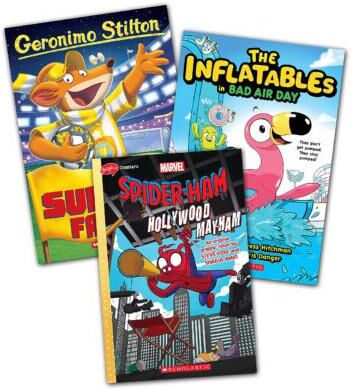
Scholastic Favorite Read Alouds (Ages 7-10)These stories full of action and adventure are sure to be read aloud favorites.This set includes:Spider-Ham: Hollywood May-HamThe Inflatables in Bad Air Day (The Inflatables #1)The Super Cup Face-Off (Geronimo Stilton #81) Favorite Read Alouds (Ages...20,36 $*Shipping: 0,00 $Secure redirect to the provider
-
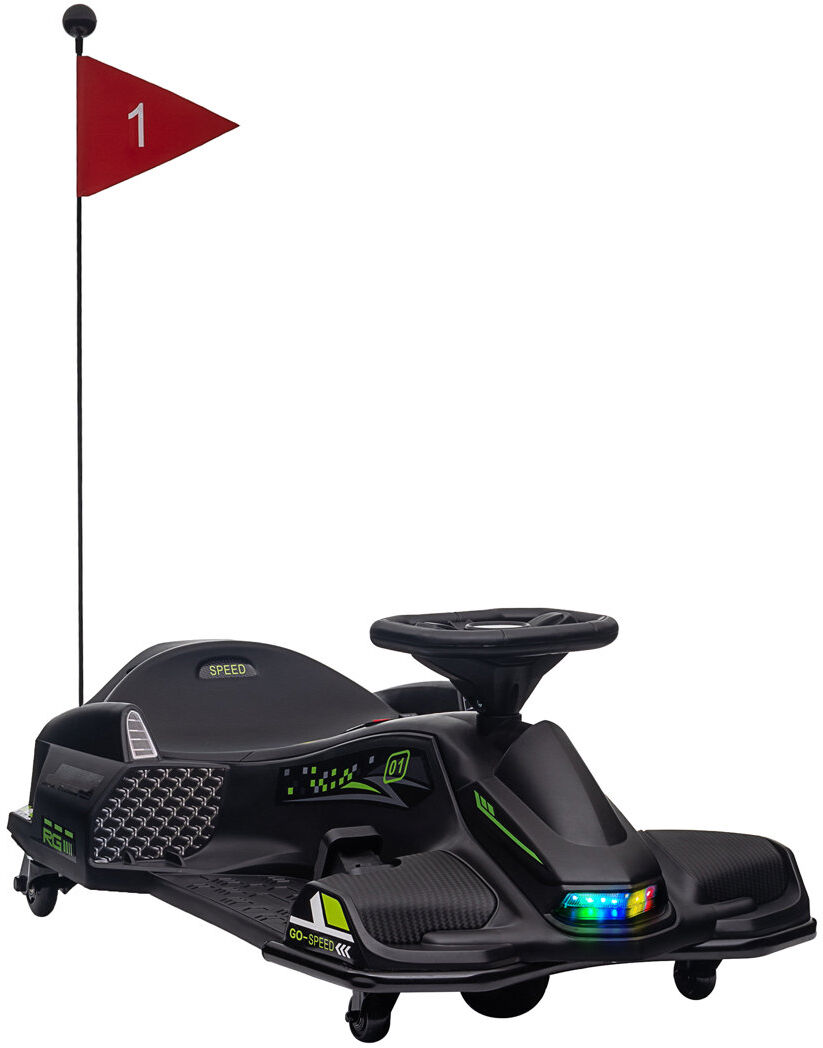
Cohill Metro Lane 12V Electric Go Kart for Kids with Music Slow-Start Ages 8-12 Black 1Unleash thrilling adventures with the HOMCOM electric ! Suitable for kids, this electric ride-on features a drift function for exhilarating cornering and built-in music with colourful lights for extra fun. Its robust PU wheels glide smoothly, while the slow-start feature ensures every ride starts safely. Gear up for endless fun and stylish drifting action!- Drift function enhances fun with controlled sideways movement; - Built-in music and colourful lights enhance entertainment value; - Robust PU wheels with auxiliary wheels for smooth, quiet rides; - Slow-start feature ensures safe, comfortable acceleration; - Two adjustable speeds between 3-8km/h cater to different skill levels; - Power indicator helps monitor battery levels; - Assembly required; - Material: PP, Steel; - Overall Dimension: 90L x 53W x 99Hcm; - Seat Dimension: 37W x 30D x 21Hcm; - Battery: 12V, 7AH; - Charging Time: 8-12 hours; - Run Time: 30 Min; - Speed: 3-8km/h; - Wheel: Φ16cm (Front), Φ7cm (Rear); - Auxiliary Wheel: Φ5cm.; - Weight Capacity: 50kg; - Standard/Recommended Age: 8-12 years old; - Standard: EN71-1-2-3; - Note: Always monitor your children while they are riding; Metro Lane Colour: Black126,99 £*Shipping: 0,00 £Secure redirect to the provider
-
What questions are there about music in the Middle Ages?
Some questions about music in the Middle Ages include: What were the most common instruments used during this time period? How did music play a role in religious and secular life? What were the main genres and styles of music in the Middle Ages? How did music notation develop during this time? How did music travel and evolve across different regions and cultures in the Middle Ages? **
-
Which professions in the Middle Ages were connected to music?
In the Middle Ages, several professions were connected to music, including troubadours, minstrels, and jongleurs who were traveling musicians and entertainers. They would perform at courts, in taverns, and at public events, often singing and playing instruments to entertain and tell stories. Additionally, there were also professional musicians who were employed by churches and cathedrals to perform sacred music during religious ceremonies. These musicians played a crucial role in preserving and performing the music of the time, contributing to the rich musical culture of the Middle Ages. **
-
What did people in the Middle Ages call the Middle Ages?
During the Middle Ages, people did not refer to that time period as the "Middle Ages." Instead, they viewed themselves as living in the present time and did not have a specific term to describe their era. The concept of dividing history into distinct periods, such as the Middle Ages, Renaissance, and Modern era, was developed by later historians looking back on history. The term "Middle Ages" was first coined in the 15th century by Renaissance scholars who viewed the period between the fall of the Roman Empire and their own time as a "middle" or intermediate period. **
-
What is Digital Technology 2?
Digital Technology 2 is a course that builds upon the foundational concepts introduced in Digital Technology 1. It delves deeper into topics such as programming, web development, data analysis, and cybersecurity. Students will further develop their skills in using digital tools and technologies to solve real-world problems and gain a more advanced understanding of how technology impacts society. The course aims to prepare students for a career in the rapidly evolving field of digital technology. **

Why is whiskey and cola for ages 18 and wine for ages 16?
Whiskey and cola is typically considered a stronger alcoholic beverage, and the legal drinking age for stronger alcoholic drinks is generally higher than for milder ones. Wine is often considered a lighter alcoholic beverage, and therefore the legal drinking age for wine is lower. These age restrictions are based on the perceived maturity and ability to handle the effects of different types of alcohol. Additionally, cultural and historical factors also play a role in determining the legal drinking age for different types of alcohol in different countries. **
How were buildings constructed in the Middle Ages and in ancient times without modern technology?
In ancient times and the Middle Ages, buildings were constructed using manual labor and simple tools such as hammers, chisels, and saws. Skilled craftsmen, such as stonemasons and carpenters, played a crucial role in the construction process, using their expertise to shape and assemble the materials. Additionally, techniques such as using wooden scaffolding and pulleys were employed to lift heavy materials and reach higher areas. The construction process was often slow and labor-intensive, but the resulting structures were durable and impressive, standing the test of time. **
Top-Angebote
Products related to Ages:
-
Loog Mini Electric Guitar (Ages 3+) - BlackA tiny 3-string electric guitar, about the same size as a ukulele, with a built-in amp and speaker! Comes bundled with an app that teaches you music through AR, and free lessons.Built-in Amp & SpeakerThe new Loog electric guitars have a built-in...149,00 $*Shipping: 0,00 $Secure redirect to the provider
-
Scholastic Favorite Read Alouds (Ages 7-10)These stories full of action and adventure are sure to be read aloud favorites.This set includes:Spider-Ham: Hollywood May-HamThe Inflatables in Bad Air Day (The Inflatables #1)The Super Cup Face-Off (Geronimo Stilton #81) Favorite Read Alouds (Ages...20,36 $*Shipping: 0,00 $Secure redirect to the provider
-
What is the music from the late Middle Ages?
The music from the late Middle Ages, also known as medieval music, was characterized by its monophonic texture, which means it consisted of a single melodic line without harmony. It was primarily vocal music, often sung in Latin and performed in churches and courts. The melodies were often modal, with a focus on creating a contemplative and spiritual atmosphere. Instruments such as the lute, harp, and flute were also used to accompany the vocal music. This period saw the development of musical notation, allowing for more complex compositions and the preservation of musical works. **
-
Why is the Middle Ages actually called the Middle Ages?
The Middle Ages is called so because it is the period of time between the fall of the Roman Empire in the 5th century and the beginning of the Renaissance in the 14th century. It is considered the "middle" period between the classical antiquity of the Roman Empire and the modern era. This period is also known as the medieval period, and it is characterized by the development of feudalism, the rise of Christianity, and the dominance of monarchies in Europe. **
-
What questions are there about music in the Middle Ages?
Some questions about music in the Middle Ages include: What were the most common instruments used during this time period? How did music play a role in religious and secular life? What were the main genres and styles of music in the Middle Ages? How did music notation develop during this time? How did music travel and evolve across different regions and cultures in the Middle Ages? **
-
Which professions in the Middle Ages were connected to music?
In the Middle Ages, several professions were connected to music, including troubadours, minstrels, and jongleurs who were traveling musicians and entertainers. They would perform at courts, in taverns, and at public events, often singing and playing instruments to entertain and tell stories. Additionally, there were also professional musicians who were employed by churches and cathedrals to perform sacred music during religious ceremonies. These musicians played a crucial role in preserving and performing the music of the time, contributing to the rich musical culture of the Middle Ages. **
Similar search terms for Ages
-
Cohill Metro Lane 12V Electric Go Kart for Kids with Music Slow-Start Ages 8-12 Black 1Unleash thrilling adventures with the HOMCOM electric ! Suitable for kids, this electric ride-on features a drift function for exhilarating cornering and built-in music with colourful lights for extra fun. Its robust PU wheels glide smoothly, while the slow-start feature ensures every ride starts safely. Gear up for endless fun and stylish drifting action!- Drift function enhances fun with controlled sideways movement; - Built-in music and colourful lights enhance entertainment value; - Robust PU wheels with auxiliary wheels for smooth, quiet rides; - Slow-start feature ensures safe, comfortable acceleration; - Two adjustable speeds between 3-8km/h cater to different skill levels; - Power indicator helps monitor battery levels; - Assembly required; - Material: PP, Steel; - Overall Dimension: 90L x 53W x 99Hcm; - Seat Dimension: 37W x 30D x 21Hcm; - Battery: 12V, 7AH; - Charging Time: 8-12 hours; - Run Time: 30 Min; - Speed: 3-8km/h; - Wheel: Φ16cm (Front), Φ7cm (Rear); - Auxiliary Wheel: Φ5cm.; - Weight Capacity: 50kg; - Standard/Recommended Age: 8-12 years old; - Standard: EN71-1-2-3; - Note: Always monitor your children while they are riding; Metro Lane Colour: Black126,99 £*Shipping: 0,00 £Secure redirect to the provider
-
Playful Picks Pistachio Plushie, Soft & Cute Decor Gift For All Ages Pistachio Plushie, Soft & Cute Decor Gift For All AgesIntroducing the Pistachio Nut Plushie, the perfect blend of comfort, character, and charm! This delightful, soft stuffed toy is not just a plushie it's a unique addition to your home decor, a comforting companion, and an adorable gift all in one....31,97 $*Shipping: 0,00 $Secure redirect to the provider
-
What did people in the Middle Ages call the Middle Ages?
During the Middle Ages, people did not refer to that time period as the "Middle Ages." Instead, they viewed themselves as living in the present time and did not have a specific term to describe their era. The concept of dividing history into distinct periods, such as the Middle Ages, Renaissance, and Modern era, was developed by later historians looking back on history. The term "Middle Ages" was first coined in the 15th century by Renaissance scholars who viewed the period between the fall of the Roman Empire and their own time as a "middle" or intermediate period. **
-
What is Digital Technology 2?
Digital Technology 2 is a course that builds upon the foundational concepts introduced in Digital Technology 1. It delves deeper into topics such as programming, web development, data analysis, and cybersecurity. Students will further develop their skills in using digital tools and technologies to solve real-world problems and gain a more advanced understanding of how technology impacts society. The course aims to prepare students for a career in the rapidly evolving field of digital technology. **
-
Why is whiskey and cola for ages 18 and wine for ages 16?
Whiskey and cola is typically considered a stronger alcoholic beverage, and the legal drinking age for stronger alcoholic drinks is generally higher than for milder ones. Wine is often considered a lighter alcoholic beverage, and therefore the legal drinking age for wine is lower. These age restrictions are based on the perceived maturity and ability to handle the effects of different types of alcohol. Additionally, cultural and historical factors also play a role in determining the legal drinking age for different types of alcohol in different countries. **
-
How were buildings constructed in the Middle Ages and in ancient times without modern technology?
In ancient times and the Middle Ages, buildings were constructed using manual labor and simple tools such as hammers, chisels, and saws. Skilled craftsmen, such as stonemasons and carpenters, played a crucial role in the construction process, using their expertise to shape and assemble the materials. Additionally, techniques such as using wooden scaffolding and pulleys were employed to lift heavy materials and reach higher areas. The construction process was often slow and labor-intensive, but the resulting structures were durable and impressive, standing the test of time. **
* All prices are inclusive of VAT and, if applicable, plus shipping costs. The offer information is based on the details provided by the respective shop and is updated through automated processes. Real-time updates do not occur, so deviations can occur in individual cases. ** Note: Parts of this content were created by AI.