Buy kollaboratives-komponieren.eu ?
We are moving the project
kollaboratives-komponieren.eu .
Are you interested in purchasing the domain
kollaboratives-komponieren.eu ?
domain@kv-gmbh.de · 0541-91531010
Buy kollaboratives-komponieren.eu ?
What is aquaculture?
Aquaculture is the practice of farming aquatic organisms such as fish, shellfish, and aquatic plants in controlled environments like ponds, tanks, or ocean enclosures. It involves the breeding, rearing, and harvesting of these organisms for commercial purposes. Aquaculture plays a crucial role in meeting the growing demand for seafood while also helping to relieve pressure on wild fish populations. It is a sustainable way to produce seafood and can help support food security and economic development in many regions. **
What does aquaculture mean?
Aquaculture refers to the farming of aquatic organisms such as fish, shellfish, and plants in controlled environments like ponds, tanks, or ocean enclosures. It involves the cultivation and harvesting of these organisms for commercial purposes, such as food production or ornamental trade. Aquaculture plays a crucial role in meeting the increasing global demand for seafood while also helping to relieve pressure on wild fish populations. **

Similar search terms for Aquaculture
Top-Angebote
Products related to Aquaculture:
-
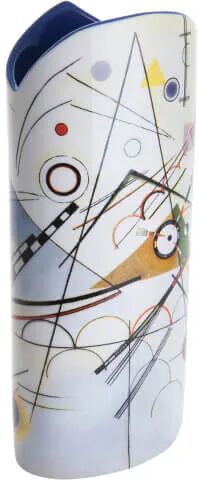
John Beswick Kandinsky Composition VIII VaseThe Kandinsky Composition VIII Vase brings artistic flair to your home, offering a stylish way to display flowers or stand alone as a statement piece. Inspired by Kandinsky's iconic composition, this vase adds a creative touch to any living space. Its striking design is perfect for those who appreciate art and want to introduce a unique accent to their decor. Crafted for visual impact, this vase is ideal for displaying fresh blooms or as a decorative centrepiece. Its art-inspired style makes it a versatile addition to modern interiors.55,00 £*Shipping: 0,00 £Secure redirect to the provider
-
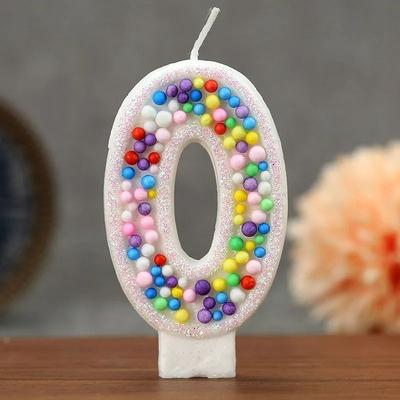
Uplift Essentials Colorful Ball Creative Digital Birthday Cake CandlesAdd a playful pop of color and celebratory joy to any birthday cake with these colorful ball creative digital birthday candles. Featuring a bold, threedimensional number design crowned with a cluster of vibrant, multicolored mini spheres, these...32,97 $*Shipping: 0,00 $Secure redirect to the provider
-
tauruswellness Taurus Wellness Body Composition Scale Pro The Taurus Wellness Body Composition Scale Pro is perfect for anyone wanting a clear, detailed look at their health. It uses advanced bioimpedance technology to measure everything from body fat to muscle mass, showing results right on the scale and in the free Fitdays app. With eight precise...89,99 £*Shipping: 0,00 £Secure redirect to the provider


-
Can aquaculture solve the problem of overfishing?
Aquaculture has the potential to help alleviate the problem of overfishing by providing an alternative source of seafood. By farming fish, shellfish, and other aquatic organisms, aquaculture can reduce the pressure on wild fish populations. However, it is important to note that aquaculture also comes with its own set of environmental and sustainability challenges, such as habitat destruction, pollution, and disease transmission. Therefore, while aquaculture can help mitigate overfishing, it is not a complete solution and must be managed carefully to ensure it is sustainable in the long term. **
-
What are the advantages and disadvantages of aquaculture?
Aquaculture has several advantages, including providing a sustainable source of seafood, reducing pressure on wild fish populations, and creating jobs in coastal communities. Additionally, it allows for the controlled production of seafood, which can help meet the growing global demand for fish. However, aquaculture also has disadvantages, such as the potential for environmental pollution from fish waste and the use of antibiotics and chemicals. There are also concerns about the spread of diseases and parasites from farmed fish to wild populations. Additionally, the high density of fish in aquaculture facilities can lead to the spread of diseases among the farmed fish. **
-
Is catfish from domestic aquaculture contaminated with many pollutants?
Catfish from domestic aquaculture can be contaminated with pollutants, but the level of contamination can vary depending on the farming practices and location. Some common pollutants found in catfish from aquaculture include heavy metals, pesticides, antibiotics, and microplastics. To minimize the risk of contamination, it is important to source catfish from reputable farms that follow strict regulations and practices to ensure the safety and quality of their products. **
-
Is Wels from domestic aquaculture contaminated with many pollutants?
Wels from domestic aquaculture can be contaminated with pollutants, but the extent of contamination can vary depending on the farming practices and the environment in which the fish are raised. Factors such as water quality, feed composition, and the use of chemicals or antibiotics in aquaculture can contribute to the presence of pollutants in the fish. To minimize contamination, it is important for aquaculture farmers to adhere to strict regulations and best practices for water quality management and feed sourcing. Regular monitoring and testing of fish for pollutants can also help ensure the safety of Wels from domestic aquaculture. **


Could whales be bred in aquaculture to later be eaten?
While it may be technically possible to breed whales in aquaculture for consumption, there are several ethical and practical considerations that make this scenario highly unlikely. Whales are highly intelligent and social animals that play important roles in marine ecosystems, and there is significant public opposition to the idea of consuming whale meat. Additionally, the large size and specific dietary needs of whales would make them difficult and expensive to raise in captivity. Overall, the idea of breeding whales for consumption is not a feasible or ethical practice. **
What are the advantages of aquaculture in the geography class assignment?
Aquaculture offers several advantages in a geography class assignment. It provides a hands-on opportunity for students to learn about sustainable food production practices and the importance of marine ecosystems. Students can also explore the economic impacts of aquaculture on local communities and the global food supply. Additionally, studying aquaculture can help students understand the geographical distribution of different species and the environmental factors that influence their growth. **
Top-Angebote
Products related to Aquaculture:
-
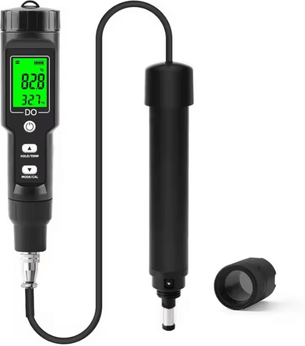
Inspire Curations DO9100 Professional Digital Dissolved Oxygen Meter For Aquaculture And Water Testing backlightMonitor aquatic conditions with confidence using the dissolved oxygen meter designed for convenient waterquality testing. The DO9100 measures dissolved oxygen concentration, saturation, and temperature, making it useful for both freshwater and...398,00 $*Shipping: 0,00 $Secure redirect to the provider
-
Multisell Products Hub High Tech Construction Bricks Set, New Creative Technology Space Station Transparent Globe, Toy Gifts For Children High Tech Construction Bricks Set, New Creative Technology Space Station Transparent Globe, Toy Gifts For ChildrenInnovative Building Fun for Kids: Bring the world of construction and creativity together with the New Creative Technology Space Station Transparent Globe Building Blocks. This hightech, engaging toy set is designed for young minds to explore the...179,97 $*Shipping: 0,00 $Secure redirect to the provider
-
John Beswick Kandinsky Composition VIII VaseThe Kandinsky Composition VIII Vase brings artistic flair to your home, offering a stylish way to display flowers or stand alone as a statement piece. Inspired by Kandinsky's iconic composition, this vase adds a creative touch to any living space. Its striking design is perfect for those who appreciate art and want to introduce a unique accent to their decor. Crafted for visual impact, this vase is ideal for displaying fresh blooms or as a decorative centrepiece. Its art-inspired style makes it a versatile addition to modern interiors.55,00 £*Shipping: 0,00 £Secure redirect to the provider
-
Uplift Essentials Colorful Ball Creative Digital Birthday Cake CandlesAdd a playful pop of color and celebratory joy to any birthday cake with these colorful ball creative digital birthday candles. Featuring a bold, threedimensional number design crowned with a cluster of vibrant, multicolored mini spheres, these...32,97 $*Shipping: 0,00 $Secure redirect to the provider
-
What is aquaculture?
Aquaculture is the practice of farming aquatic organisms such as fish, shellfish, and aquatic plants in controlled environments like ponds, tanks, or ocean enclosures. It involves the breeding, rearing, and harvesting of these organisms for commercial purposes. Aquaculture plays a crucial role in meeting the growing demand for seafood while also helping to relieve pressure on wild fish populations. It is a sustainable way to produce seafood and can help support food security and economic development in many regions. **
-
What does aquaculture mean?
Aquaculture refers to the farming of aquatic organisms such as fish, shellfish, and plants in controlled environments like ponds, tanks, or ocean enclosures. It involves the cultivation and harvesting of these organisms for commercial purposes, such as food production or ornamental trade. Aquaculture plays a crucial role in meeting the increasing global demand for seafood while also helping to relieve pressure on wild fish populations. **
-
Can aquaculture solve the problem of overfishing?
Aquaculture has the potential to help alleviate the problem of overfishing by providing an alternative source of seafood. By farming fish, shellfish, and other aquatic organisms, aquaculture can reduce the pressure on wild fish populations. However, it is important to note that aquaculture also comes with its own set of environmental and sustainability challenges, such as habitat destruction, pollution, and disease transmission. Therefore, while aquaculture can help mitigate overfishing, it is not a complete solution and must be managed carefully to ensure it is sustainable in the long term. **
-
What are the advantages and disadvantages of aquaculture?
Aquaculture has several advantages, including providing a sustainable source of seafood, reducing pressure on wild fish populations, and creating jobs in coastal communities. Additionally, it allows for the controlled production of seafood, which can help meet the growing global demand for fish. However, aquaculture also has disadvantages, such as the potential for environmental pollution from fish waste and the use of antibiotics and chemicals. There are also concerns about the spread of diseases and parasites from farmed fish to wild populations. Additionally, the high density of fish in aquaculture facilities can lead to the spread of diseases among the farmed fish. **
Similar search terms for Aquaculture
-
tauruswellness Taurus Wellness Body Composition Scale Pro The Taurus Wellness Body Composition Scale Pro is perfect for anyone wanting a clear, detailed look at their health. It uses advanced bioimpedance technology to measure everything from body fat to muscle mass, showing results right on the scale and in the free Fitdays app. With eight precise...89,99 £*Shipping: 0,00 £Secure redirect to the provider
-
Tanita BC-333LE Smart Body Composition ScaleBODY COMPOSITION FOR THE WHOLE FAMILY The TANITA BC-33LE brings TANITA’s world-renowned reputation for body composition to the family home. Designed to be used by all members of the family, young and old, the BC-333LE provides users with composition results such as muscle mass and body fat...129,00 £*Shipping: 0,00 £Secure redirect to the provider
-
Is catfish from domestic aquaculture contaminated with many pollutants?
Catfish from domestic aquaculture can be contaminated with pollutants, but the level of contamination can vary depending on the farming practices and location. Some common pollutants found in catfish from aquaculture include heavy metals, pesticides, antibiotics, and microplastics. To minimize the risk of contamination, it is important to source catfish from reputable farms that follow strict regulations and practices to ensure the safety and quality of their products. **
-
Is Wels from domestic aquaculture contaminated with many pollutants?
Wels from domestic aquaculture can be contaminated with pollutants, but the extent of contamination can vary depending on the farming practices and the environment in which the fish are raised. Factors such as water quality, feed composition, and the use of chemicals or antibiotics in aquaculture can contribute to the presence of pollutants in the fish. To minimize contamination, it is important for aquaculture farmers to adhere to strict regulations and best practices for water quality management and feed sourcing. Regular monitoring and testing of fish for pollutants can also help ensure the safety of Wels from domestic aquaculture. **
-
Could whales be bred in aquaculture to later be eaten?
While it may be technically possible to breed whales in aquaculture for consumption, there are several ethical and practical considerations that make this scenario highly unlikely. Whales are highly intelligent and social animals that play important roles in marine ecosystems, and there is significant public opposition to the idea of consuming whale meat. Additionally, the large size and specific dietary needs of whales would make them difficult and expensive to raise in captivity. Overall, the idea of breeding whales for consumption is not a feasible or ethical practice. **
-
What are the advantages of aquaculture in the geography class assignment?
Aquaculture offers several advantages in a geography class assignment. It provides a hands-on opportunity for students to learn about sustainable food production practices and the importance of marine ecosystems. Students can also explore the economic impacts of aquaculture on local communities and the global food supply. Additionally, studying aquaculture can help students understand the geographical distribution of different species and the environmental factors that influence their growth. **
* All prices are inclusive of VAT and, if applicable, plus shipping costs. The offer information is based on the details provided by the respective shop and is updated through automated processes. Real-time updates do not occur, so deviations can occur in individual cases. ** Note: Parts of this content were created by AI.