Buy kollaboratives-komponieren.eu ?
We are moving the project
kollaboratives-komponieren.eu .
Are you interested in purchasing the domain
kollaboratives-komponieren.eu ?
domain@kv-gmbh.de · 0541-91531010
Buy kollaboratives-komponieren.eu ?
How can one study composition after studying musicology?
Studying composition after musicology can provide a deeper understanding of the theoretical and historical aspects of music, allowing for a more informed and nuanced approach to creating music. By building on the knowledge gained from musicology, one can apply theoretical concepts and historical context to their compositions, resulting in more sophisticated and meaningful works. Additionally, studying composition can enhance practical skills in music production and performance, complementing the analytical and research-focused nature of musicology. Overall, combining musicology with composition can lead to a well-rounded and comprehensive understanding of music as both an academic discipline and a creative art form. **
What comes after studying musicology?
After studying musicology, individuals can pursue a variety of career paths. Some may choose to work in academia as music researchers, professors, or archivists. Others may pursue careers in music journalism, arts administration, or music therapy. Some may also choose to work in the music industry, such as in artist management, music production, or music publishing. Additionally, some musicologists may choose to continue their education and pursue advanced degrees in related fields such as ethnomusicology, music theory, or composition. **

Similar search terms for Musicology
Top-Angebote
Products related to Musicology:
-
Uplift Essentials Colorful Ball Creative Digital Birthday Cake CandlesAdd a playful pop of color and celebratory joy to any birthday cake with these colorful ball creative digital birthday candles. Featuring a bold, threedimensional number design crowned with a cluster of vibrant, multicolored mini spheres, these...32,97 $*Shipping: 0,00 $Secure redirect to the provider
-
tauruswellness Taurus Wellness Body Composition Scale Pro The Taurus Wellness Body Composition Scale Pro is perfect for anyone wanting a clear, detailed look at their health. It uses advanced bioimpedance technology to measure everything from body fat to muscle mass, showing results right on the scale and in the free Fitdays app. With eight precise...89,99 £*Shipping: 0,00 £Secure redirect to the provider




-
How can musicology be combined with applied informatics?
Musicology can be combined with applied informatics by utilizing technology to analyze and interpret musical data. This can involve developing algorithms to analyze musical patterns, creating databases of musical compositions for research purposes, or using digital tools to transcribe and analyze musical scores. By integrating informatics with musicology, researchers can gain new insights into the structure, history, and cultural significance of music, as well as develop innovative ways to preserve and share musical heritage. **
-
How can one combine musicology with applied informatics?
One can combine musicology with applied informatics by using technology to analyze and interpret musical data. This can involve developing algorithms to analyze musical patterns, creating digital archives of musical scores and recordings, or using data visualization techniques to study musical trends. By integrating informatics tools and methods into musicological research, scholars can gain new insights into the study of music and enhance their understanding of musical practices and traditions. **
-
How can musicology be combined with applied computer science?
Musicology can be combined with applied computer science through the use of computational analysis and digital tools to study and analyze music. By applying techniques such as data mining, machine learning, and digital signal processing, researchers can uncover patterns in music compositions, performances, and recordings. This interdisciplinary approach can provide new insights into music history, theory, and aesthetics, as well as enhance the development of music-related technologies such as music recommendation systems, automatic transcription software, and interactive music interfaces. By integrating musicology and computer science, scholars can leverage the power of technology to deepen our understanding and appreciation of music. **
-
How can one combine musicology with applied computer science?
One can combine musicology with applied computer science by utilizing computational tools and techniques to analyze and interpret musical data. This can involve developing algorithms to analyze musical patterns, creating digital archives of musical scores or recordings, or using machine learning to classify and analyze musical genres. By integrating computer science with musicology, researchers can gain new insights into music history, theory, and performance practices. **


What is Digital Technology 2?
Digital Technology 2 is a course that builds upon the foundational concepts introduced in Digital Technology 1. It delves deeper into topics such as programming, web development, data analysis, and cybersecurity. Students will further develop their skills in using digital tools and technologies to solve real-world problems and gain a more advanced understanding of how technology impacts society. The course aims to prepare students for a career in the rapidly evolving field of digital technology. **
What programs are available for music composition?
There are several programs available for music composition, including popular ones like Ableton Live, Logic Pro, Pro Tools, and FL Studio. These programs offer a wide range of features for composing, recording, editing, and mixing music. Additionally, there are also more specialized programs like Sibelius and Finale, which are specifically designed for music notation and scoring. Many of these programs offer free trials or demos, allowing users to explore their features before making a purchase. **
Top-Angebote
Products related to Musicology:
-
Multisell Products Hub High Tech Construction Bricks Set, New Creative Technology Space Station Transparent Globe, Toy Gifts For Children High Tech Construction Bricks Set, New Creative Technology Space Station Transparent Globe, Toy Gifts For ChildrenInnovative Building Fun for Kids: Bring the world of construction and creativity together with the New Creative Technology Space Station Transparent Globe Building Blocks. This hightech, engaging toy set is designed for young minds to explore the...179,97 $*Shipping: 0,00 $Secure redirect to the provider
-
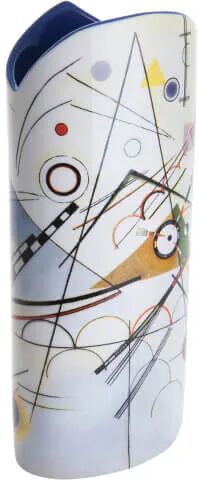
John Beswick Kandinsky Composition VIII VaseThe Kandinsky Composition VIII Vase brings artistic flair to your home, offering a stylish way to display flowers or stand alone as a statement piece. Inspired by Kandinsky's iconic composition, this vase adds a creative touch to any living space. Its striking design is perfect for those who appreciate art and want to introduce a unique accent to their decor. Crafted for visual impact, this vase is ideal for displaying fresh blooms or as a decorative centrepiece. Its art-inspired style makes it a versatile addition to modern interiors.55,00 £*Shipping: 0,00 £Secure redirect to the provider
-
Uplift Essentials Colorful Ball Creative Digital Birthday Cake CandlesAdd a playful pop of color and celebratory joy to any birthday cake with these colorful ball creative digital birthday candles. Featuring a bold, threedimensional number design crowned with a cluster of vibrant, multicolored mini spheres, these...32,97 $*Shipping: 0,00 $Secure redirect to the provider
-
How can one study composition after studying musicology?
Studying composition after musicology can provide a deeper understanding of the theoretical and historical aspects of music, allowing for a more informed and nuanced approach to creating music. By building on the knowledge gained from musicology, one can apply theoretical concepts and historical context to their compositions, resulting in more sophisticated and meaningful works. Additionally, studying composition can enhance practical skills in music production and performance, complementing the analytical and research-focused nature of musicology. Overall, combining musicology with composition can lead to a well-rounded and comprehensive understanding of music as both an academic discipline and a creative art form. **
-
What comes after studying musicology?
After studying musicology, individuals can pursue a variety of career paths. Some may choose to work in academia as music researchers, professors, or archivists. Others may pursue careers in music journalism, arts administration, or music therapy. Some may also choose to work in the music industry, such as in artist management, music production, or music publishing. Additionally, some musicologists may choose to continue their education and pursue advanced degrees in related fields such as ethnomusicology, music theory, or composition. **
-
How can musicology be combined with applied informatics?
Musicology can be combined with applied informatics by utilizing technology to analyze and interpret musical data. This can involve developing algorithms to analyze musical patterns, creating databases of musical compositions for research purposes, or using digital tools to transcribe and analyze musical scores. By integrating informatics with musicology, researchers can gain new insights into the structure, history, and cultural significance of music, as well as develop innovative ways to preserve and share musical heritage. **
-
How can one combine musicology with applied informatics?
One can combine musicology with applied informatics by using technology to analyze and interpret musical data. This can involve developing algorithms to analyze musical patterns, creating digital archives of musical scores and recordings, or using data visualization techniques to study musical trends. By integrating informatics tools and methods into musicological research, scholars can gain new insights into the study of music and enhance their understanding of musical practices and traditions. **
Similar search terms for Musicology
-
tauruswellness Taurus Wellness Body Composition Scale Pro The Taurus Wellness Body Composition Scale Pro is perfect for anyone wanting a clear, detailed look at their health. It uses advanced bioimpedance technology to measure everything from body fat to muscle mass, showing results right on the scale and in the free Fitdays app. With eight precise...89,99 £*Shipping: 0,00 £Secure redirect to the provider
-
Tanita BC-333LE Smart Body Composition ScaleBODY COMPOSITION FOR THE WHOLE FAMILY The TANITA BC-33LE brings TANITA’s world-renowned reputation for body composition to the family home. Designed to be used by all members of the family, young and old, the BC-333LE provides users with composition results such as muscle mass and body fat...129,00 £*Shipping: 0,00 £Secure redirect to the provider
-
Yealink MeetingBoard 65-inch 4K Interactive Collaboration Display (MB65-A001)Yealink MeetingBoard 65 (MB65-A001): a 65-inch 4K Ultra HD LED-backlit interactive touch display for meeting rooms, with built-in camera, microphone array and speakers for Microsoft Teams Rooms and Zoom Rooms. Runs Android with a built-in processor and Wi-Fi.3896,99 £*Shipping: 0,00 £Secure redirect to the provider
-
How can musicology be combined with applied computer science?
Musicology can be combined with applied computer science through the use of computational analysis and digital tools to study and analyze music. By applying techniques such as data mining, machine learning, and digital signal processing, researchers can uncover patterns in music compositions, performances, and recordings. This interdisciplinary approach can provide new insights into music history, theory, and aesthetics, as well as enhance the development of music-related technologies such as music recommendation systems, automatic transcription software, and interactive music interfaces. By integrating musicology and computer science, scholars can leverage the power of technology to deepen our understanding and appreciation of music. **
-
How can one combine musicology with applied computer science?
One can combine musicology with applied computer science by utilizing computational tools and techniques to analyze and interpret musical data. This can involve developing algorithms to analyze musical patterns, creating digital archives of musical scores or recordings, or using machine learning to classify and analyze musical genres. By integrating computer science with musicology, researchers can gain new insights into music history, theory, and performance practices. **
-
What is Digital Technology 2?
Digital Technology 2 is a course that builds upon the foundational concepts introduced in Digital Technology 1. It delves deeper into topics such as programming, web development, data analysis, and cybersecurity. Students will further develop their skills in using digital tools and technologies to solve real-world problems and gain a more advanced understanding of how technology impacts society. The course aims to prepare students for a career in the rapidly evolving field of digital technology. **
-
What programs are available for music composition?
There are several programs available for music composition, including popular ones like Ableton Live, Logic Pro, Pro Tools, and FL Studio. These programs offer a wide range of features for composing, recording, editing, and mixing music. Additionally, there are also more specialized programs like Sibelius and Finale, which are specifically designed for music notation and scoring. Many of these programs offer free trials or demos, allowing users to explore their features before making a purchase. **
* All prices are inclusive of VAT and, if applicable, plus shipping costs. The offer information is based on the details provided by the respective shop and is updated through automated processes. Real-time updates do not occur, so deviations can occur in individual cases. ** Note: Parts of this content were created by AI.